

Internacional
Derechos humanos


Amnistía Internacional alerta del colapso del derecho internacional y la instrumentalización de la IA
Mikel Domínguez | EITB Media
Relacionados:
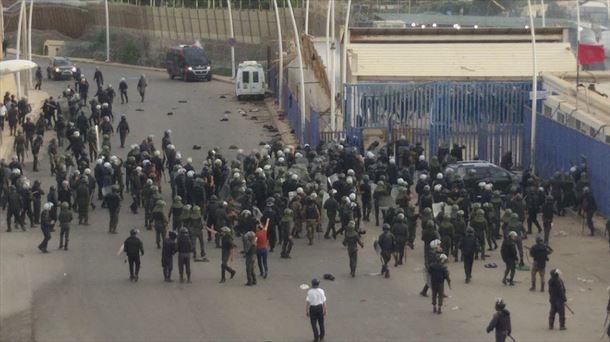
La escalada bélica sucede mientras el orden global basado en normas "corre peligro de desmoronarse", como demuestra la inacción de los aliados de Israel mientras los indicios de crímenes de guerra "continúan acumulándose" en Gaza. La ONG alerta de otros conflictos como Ucrania, Myanmar y Sudán.
Política
Autogobierno
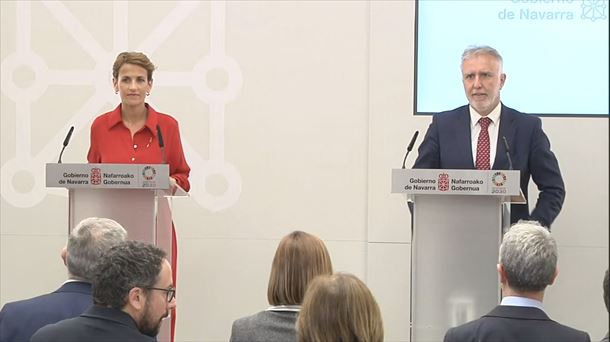
Los gobiernos de Navarra y España pactan una reforma del fuero para blindar la competencia de tráfico
EITB Media
Relacionados:
Según el acuerdo suscrito, la competencia de tráfico se blindará como "un derecho histórico de Navarra". "Esto es un primer paso", según ha explicado la presidenta del Gobierno de Navarra, María Chivite, ya que la modificación deberá pasar por varias fases hasta entrar en vigor.

Política
programa espía
-
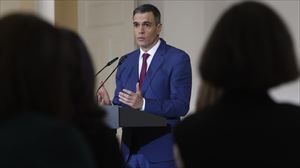
Pedro Sánchez en una comparecencia. Foto: EFE.

Reabren el caso de espionaje con Pegasus a Pedro Sánchez tras recibir nuevos datos de Francia
AGENCIAS | EITB MEDIA
El juez de la Audiencia Nacional José Luis Calama ha recibido una Orden Europea de Investigación en la que incorpora una causa, que permitirá una actuación conjunta para determinar la autoría de la infestación de Pegasus en Francia y España.
Sociedad
Tráfico
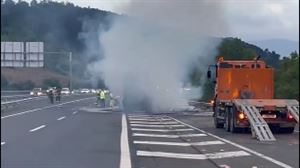
Cortada la A-15, entre Cizur y Landaben, tras arder un camión
EITB Media
Se registran retenciones en la Ronda de Pamplona pero también en la A-12 y en la Avenida de Navarra, ya que el tráfico está siendo desviando por Pamplona. Afortunadamente, nadie ha resultado herido.
DIVERSIDAD FUNCIONAL
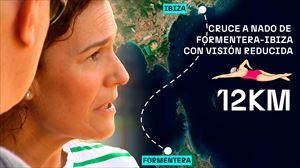
''Sentir que puedo ser capaz de nadar de una isla a otra con discapacidad visual me pone mucho''
ANE SANTESTEBAN | EITB MEDIA
Itziar González, afectada de retinosis pigmentaria con baja visión, nadará desde Formentera hasta Ibiza 12 kilómetros junto con dos compañeros, Iñaki y Javi. Nos ha contado cómo se está preparando para este nuevo reto que tienen previsto realizar el próximo 22 de junio.
Sociedad
GIPUZKOA
-
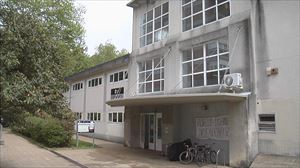
Polideportivo de Bidebieta, en Donostia-San Sebastián. Imagen: EITB

La Ertzaintza sospecha que puede haber más víctimas del supuesto agresor sexual detenido el lunes en Donostia
EITB Media
El arrestado, un hombre de 62 años de edad, permanece en dependencias policiales y será puesto a disposición judicial este miércoles. En el momento del arresto, en Altza, el sospechoso hizo caso omiso a las indicaciones de las y los agentes y trató de un huir en su coche.
Sociedad
Abusos sexuales en la iglesia…
-
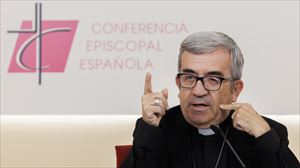
Luis Argüello, presidente de la Conferencia Episcopal Española. Foto: EFE

La Iglesia responde al Gobierno que no acepta un plan que "discrimina a la mayoría de las víctimas"
Agencias | EITB MEDIA
El Gobierno español ha presentado este martes los detalles del plan de reparación que contempla indemnizaciones a las víctimas cuyos casos hayan prescrito.
Política
Consejo de Ministros

El plan, que constará de cinco ejes, incluye un acto público para la "reparación simbólica" de las víctimas de abusos sexuales de la Iglesia católica. Además, un órgano independiente establecerá las compensaciones que el ministro Bolaños espera que asuma la Iglesia católica.
Sociedad
El tiempo
Los claros se impondrán a las nubes, aunque seguiremos con ambiente fresco
EITB Media
Los cielos permanecerán nublados en el nordeste del territorio (este de Gipuzkoa, Lapurdi, y norte de Navarra) y no se descarta lluvia de manera ocasional. La inestabilidad seguirá siendo la tónica dominante los próximos días.


LOS VÍDEOS DEL DÍA

Callejones entre bloques de viviendas
Así son los caños de Vitoria-Gasteiz, una de las señas de identidad y del patrimonio histórico de la ciudad
-
1:40


Así son los caños de Vitoria-Gasteiz, una de las señas de identidad y del patrimonio histórico de la ciudad
0:41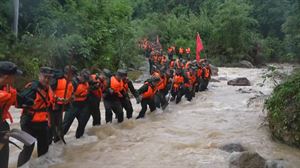
China sufre unas inundaciones masivas que dejan más de 45 000 evacuados e imágenes apocalípticas
0:27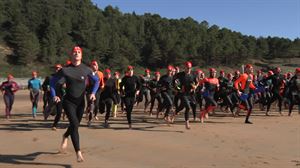
Cientos de aspirantes han realizado las pruebas para socorrista en las playas de Plentzia y Gorliz
0:42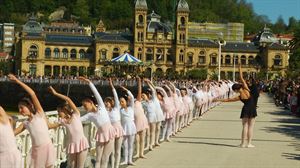
Cerca de 1500 bailarinas y bailarines brillan bailando en la barandilla de La Concha, en un domingo radiante
Internacional
Guerra en Gaza
-
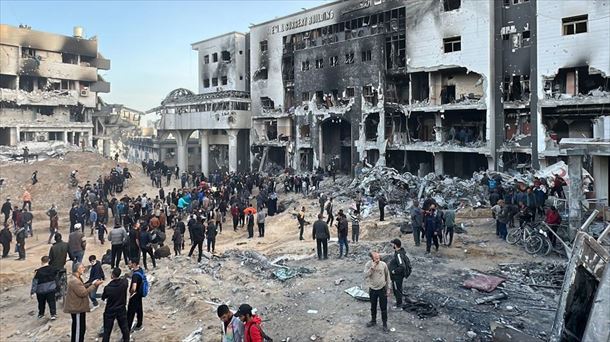
Hospital Al-Shifa de Gaza. Foto: OMS
La ONU pide una investigación independiente tras descubrir fosas comunes con centenares de cuerpos en Gaza
EITB MEDIA
Entre los fallecidos, todos ellos palestinos, había presuntamente personas mayores, mujeres y heridos, mientras que otros cuerpos fueron encontrados atados de manos, según ONU, que pide una investigación independiente sobre lo que puede constituir un nuevo crimen de guerra.
Internacional
Parlamento Europeo
Política
Toma en consideración
-
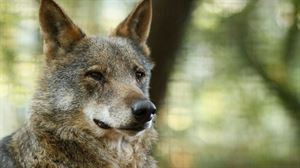
Un ejemplar de lobo ibérico. Foto: EFE
El Congreso abre la puerta a sacar al lobo de la lista de especies en régimen de protección especial
EITB Media
La toma en consideración de la iniciativa del PP ha sido apoyada por Vox, Junts y PNV. Por su parte, EH Bildu se ha abstenido.
Política
Cataluña
-
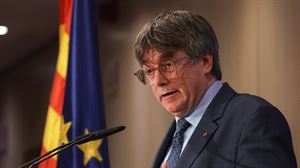
Carles Puigdemont, en Bruselas. Foto: EFE
El Constitucional avala que Puigdemont puede presentarse a las elecciones catalanas
Agencias | EITB MEDIA
Ciudadanos había presentado un recurso de amparo para impedírselo, por tener el DNI "caducado".
Sociedad
Contratos de la RFEF
-
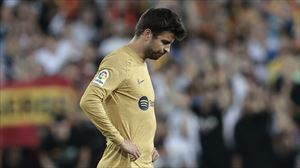
El empresario Gerard Piqué, en su época de jugador del FC Barcelona. Foto de archivo: EFE
Ordenan el bloqueo de una cuenta de la empresa de Piqué en la que recibe pagos por la Supercopa
Agencias | EITB Media
Se trata de una cuenta de la empresa Kosmos Football S.L. propiedad del exjugador del Barcelona, en la que aún recibe pagos de la entidad saudí Sela por supuestas "comisiones de éxito".
Internacional
MIGRACIÓN

Economía
Calendario laboral
-

El festivo del 1 de mayo de 2025 dará pie a hacer puente. Foto: Pixabay
El calendario laboral de 2025 fija 12 festivos, con la posibilidad de puente el 1 de mayo
EITB Media
La Semana Santa será del 17 al 21 de abril, y Santiago (25 de julio, viernes) será festivo. El 15 de agosto y el 8 de diciembre caerán en viernes y lunes, respectivamente, por lo que darán lugar a un largo fin de semana.
Internacional
NUEVA NORMATIVA
-
Electrodomésticos de cocina. Foto: Pixabay
El Parlamento Europeo refuerza el "derecho a reparar" los productos defectuosos
EITB MEDIA
Reparar en lugar de comprar, incluso después de que expire la garantía. Ese es el objetivo de la normativa. A partir de ahora, los vendedores estarán obligados a dar prioridad a la reparación si resulta más barata o de igual coste que la sustitución de un artículo.
Migración
Mueren cinco migrantes y cerca de 50 son rescatados frente a la costa norte de Francia
Al menos cinco migrantes han muerto, entre ellos una niña de cuatro años, y alrededor de 50 han sido rescatados frente a la costa de Wimereux (Francia) a bordo de una embarcación con la que intentaban cruzar el canal de la Mancha para llegar a Reino Unido.
Canadá
Un tren en llamas cruza el centro de la localidad canadiense de London
El tren transportaba madera y material antiguo ferroviario. La policía cree que el incendio ha sido intencionado. Nadie ha resultado herido y los bomberos han logrado sofocar las llamas.
Deportes
cultura
Música
Fermin Muguruza agota entradas y anuncia un nuevo concierto el 21 de diciembre
EITB Media
-
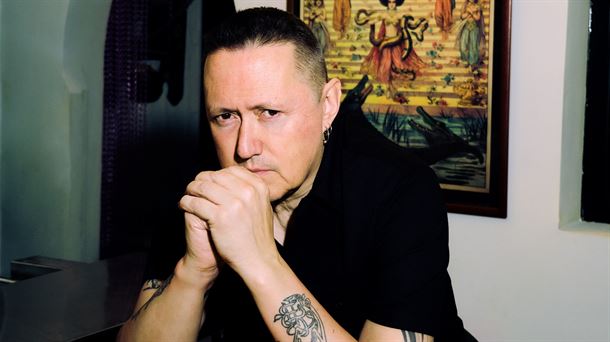
El músico irundarra Fermín Muguruza. Foto: Carlos Martí
El músico irundarra ha vendido esta mañana las 8000 entradas para el concierto 'Fermin Muguruza 1984-2024', que tendrá una repetición el sábado, 21 de diciembre, en el mismo escenario, el pabellón Bilbao Arena. Las entradas para ese segundo concierto se pondrán a la venta este jueves, 25 de abril.
cultura
- Libros
0:38
Los lectores no fallan con su cita anual del Día del Libro
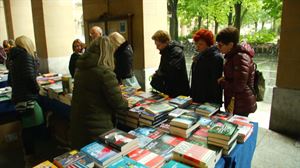
A pesar de la lluvia, han sido muchos los lectores que se han acercado hoy a las ferias de Bilbao y San Sebastián para conocer las últimas novedades literarias.
Literatura
Lectura

La red de bibliotecas públicas de Araba, Bizkaia y Gipuzkoa realizó 2 740 425 préstamos en 2023, 2 618 524 en papel y 121 901 en formato digital a través de eLiburutegia. La novela de Nerea Ibarzabal ha sido la obra más prestada en euskera y la de Dolores Redondo en castellano.
Cine
Rodaje

Comienza el rodaje del largometraje "Karmele", dirigido por Asier Altuna
Natxo Velez | EITB Media
Jone Laspiur y Eneko Sagardoy protagonizan la adaptación de la novela "La hora de despertarnos juntos" de Kirmen Uribe. La película se rueda hasta finales de mayo a lo largo de Euskal Herria.
© EITB - 2024 - Portal de Privacidad - Aviso Legal - Política de cookies - Configuración cookies - Transparencia - Contacto - Mapa Web