

Política
CARTA DE PEDRO SÁNCHEZ
-
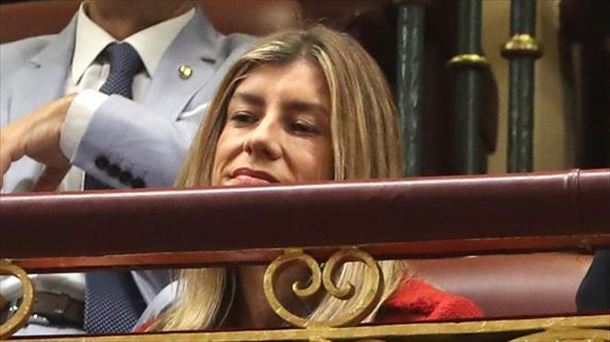
Begoña Gómez, en una imagen de archivo.

La Fiscalía pide archivar la investigación a Begoña Gómez por tráfico de influencias
Agencias | EITB MEDIA
Relacionados:
- Someterse a una cuestión de confianza o ceder la Presidencia, las opciones que podría barajar Sánchez
- Sánchez cancela su agenda y reflexionará si renuncia a la Presidencia tras la denuncia contra su esposa
- Manos Limpias admite que su denuncia se basa en "informaciones periodísticas" que podrían ser falsas
Tras una denuncia del pseudosindicato ultraderechista Manos Limpias, el Juzgado de Instrucción de Madrid abrió una investigación contra la esposa de Pedro Sánchez, sin un informe de la Fiscalía.
noticias
- GOBIERNO DE ESPAÑA
¿Y ahora qué opciones tiene Pedro Sánchez?
Someterse a una cuestión de confianza o dimitir como presidente son las opciones que podría barajar Sánchez. El presidente del Gobierno español no puede disolver las Cortes antes del 30 mayo.
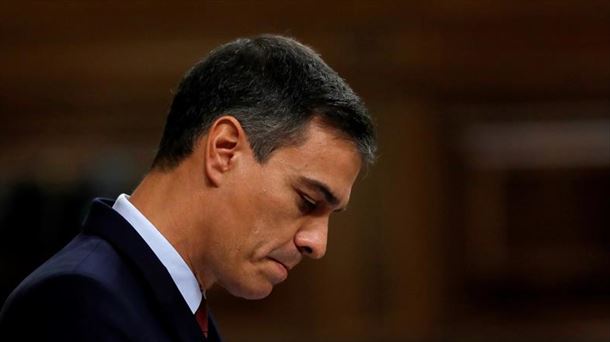
Reacciones a la carta de Pedro Sánchez
-
Iñigo Urkullu cree que ''todo es muy extraño'', al tiempo que apela al valor de la ''estabilidad''
-
Andoni Ortuzar pide que Pedro Sánchez no agote los cinco días para decidir si dimite o no
-
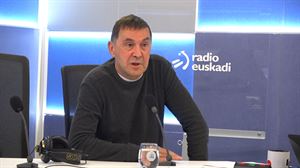
Otegi, sobre el anuncio de Sánchez: ''El lawfare utiliza permanentemente el sistema judicial español''
-

Montero afirma que el Gobierno está concentrado en convencer a Sánchez para que no dimita
-
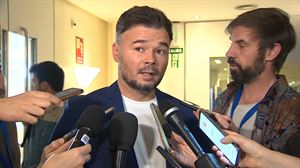
Gabriel Rufián pide a Pedro Sánchez que no ceda ante el ''filofascismo'': ''Sería un mal ejemplo''
-
![]()
Zapatero pide a los simpatizantes que se ''movilicen'' en apoyo a Sánchez y lo anima a seguir
-
![]()
Chivite y Morant invitan a la ciudadanía a leer la carta y dicen que Sánchez ''ha abierto su corazón''
-
![]()
Los socialistas arropan en bloque a Sánchez y PP y Vox le acusan de victimizarse








Concentraciones en Madrid
Simpatizantes del PSOE se concentran en Ferraz en apoyo a Sánchez y para animarle a seguir al frente del Gobierno. En el otro extremo de la calle, contrarios a Pedro Sánchez se han concentrado al grito de ''España no se vende''.
Ganbara
Elma Saiz
-
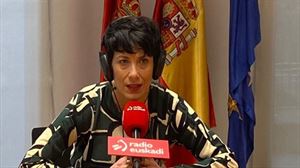
Elma Saiz.
8:07 min



Elma Saiz: "Basta ya. No podemos permitir que nuestra democracia se ensucie permanentemente"
Gari Suarez Caperos
La ministra de Inclusión, Seguridad Social y Migraciones defiende a Pedro Sánchez y critica a la derecha, que "no está a la altura de país ni de una democracia como tiene que ser".
Sindicato de ultraderecha
¿Qué es Manos Limpias y quién está detrás?
Manos Limpias fue fundado en 1995 por Miguel Bernad. Es un funcionario jubilado de 82 años y está íntimamente relacionado con la ultraderecha y el Franquismo. Bernad se presentó en las listas de Frente Nacional.
Política
CARTA DE PEDRO SÁNCHEZ

Manos Limpias admite que su denuncia se basa en "informaciones periodísticas" que podrían ser falsas
IDOIA ALBERDI ETXANIZ | EITB MEDIA
A través de un comunicado, firmado por su secretario general, Miguel Bernad, Manos Limpias explica que la denuncia contra Begoña Gómez está basada solo en "informaciones periodísticas". "Será el Juez Instructor quien deberá comprobar si dichas informaciones son ciertas o no", afirma.
Política
CARTA DE PEDRO SÁNCHEZ

El líder del PP ha comparecido ante los medios en la sede de su partido, tras el anuncio del presidente del Gobierno de España, Pedro Sánchez de cancelar su agenda. "Sánchez se ha convertido en el portavoz del lawfare", ha dicho.
Política
12M
-

El presidente de la Generalitat y candidato de ERC a la reelección, Pere Aragonès. Foto: EFE

La carta de Pedro Sánchez copa el inicio de la campaña electoral en Cataluña
Eriz Lotina | EITB Media
Las referencias a la misiva de Sánchez, dirigida a la ciudadanía, han estado presentes en todos los discursos de los candidatos catalanes.
Campaña en Cataluña
-

Illa hace un llamamiento a ''levantar un movimiento de resistencia colectivo'' en apoyo a Sánchez
-

Aragonès: ''Algunos ya coleccionamos muchas querellas de Manos Limpias y esto no nos ha hecho desfallecer''
-

Puigdemont: ''Conocemos mejor que ellos la Justicia, la prensa patriótica, por eso salimos llorados de casa''



noticias
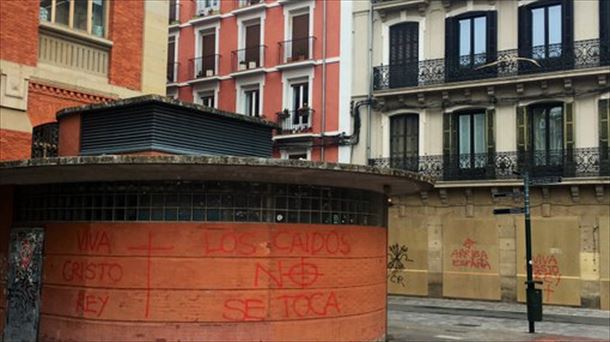
- Memoria histórica
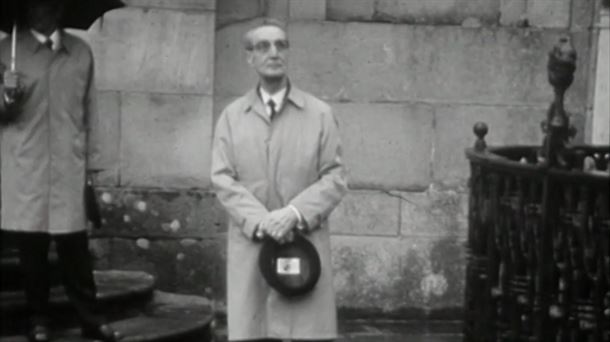

ANA ALBERDI | MIKEL DOMÍNGUEZ | EITB MEDIA
Imágenes hasta ahora inéditas nos permiten conocer mejor la visita clandestina de Jesús María Leizaola a Gernika. Fede Bergaretxe, que después fue exalcalde de Basauri, hizo de chófer para el lehendakari.
Política
Delitos
-

Alberto González Amador. EITB.

La Fiscalía de Madrid pide archivar la querella del novio de Ayuso porque no aprecia delito
Agencias | EITB Media
Según la Fiscalía, la nota de prensa que dio pie a la querella interpuesta por Alberto González Amador contra la fiscal jefe de Madrid y el fiscal de delitos económicos, por revelación de secretos, "carece de relevancia jurídico penal como para proceder a la apertura de un procedimiento penal".
Internacional
PROCESO JUDICIAL
-

Harvey Weinstein. EFE

Un tribunal de Nueva York anula la condena contra Harvey Weinstein
EITB MEDIA
El fallo se basa en el hecho de que el juez llamó indebidamente a declarar a varias mujeres que profirieron acusaciones que no formaban parte de los hechos juzgados. Aun así, Weinstein seguirá en la cárcel, pues tiene otra condena de 16 años por otra violación que sigue vigente.
Sociedad
Violencia Machista
Ingresa en prisión un hombre por agredir sexualmente a su expareja en Bilbao
Agencias | EITB Media
La Policía Municipal de Bilbao informó el miércoles por la tarde a la Ertzaintza del arresto del hombre por agredir sexualmente a su excompañera sentimental en un domicilio de la capital vizcaína. La víctima fue trasladada a un centro hospitalario, y el juez ha enviado a prisión al detenido.
CIENCIA
Echenique: ''Es un reconocimiento a una labor colectiva''
El científico vasco más reconocido y laureado a nivel mundial, ha sido investido doctor Honoris Causa por la Universidad Autónoma de Madrid. Se ha reconocido su trayectoria académica y su contribución a la investigación.
Política
Entrevista en Radio Euskadi
-
Otegi, en los estudios de Radio Euskadi. Foto: EITB Media
21:07 min
Otegi critica que el PNV no haga ronda de contactos y denuncia que hay "prisa" por "mantener el poder"
Eider Garaikoetxea O. | EITB Media
El coordinador general de EH Bildu reclama a jeltzales y socialistas "unas reglas de juego diferentes", porque si no "serán los mismos haciendo lo mismo". Sospecha que EH Bildu se quedará con un puesto en la Mesa del Parlamento por el pacto PNV-PSE. "Es legítimo pero no democrático", ha dicho.
Relacionados:


LOS VÍDEOS DEL DÍA
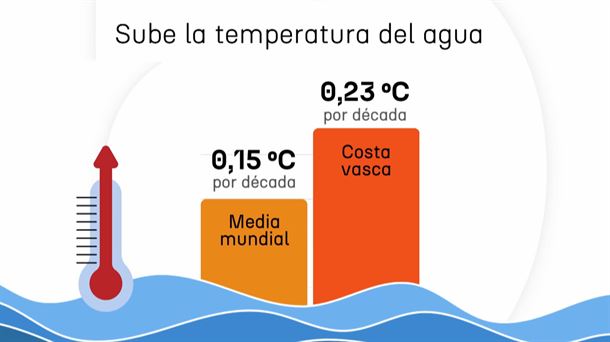
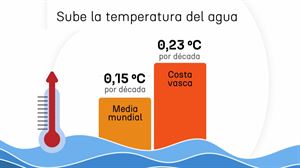
La costa vasca se calienta
La temperatura del mar sube 0,23 grados en Euskadi, frente a los 0,15 de la media mundial
-
Sociedad
TRANSPORTE PÚBLICO
-
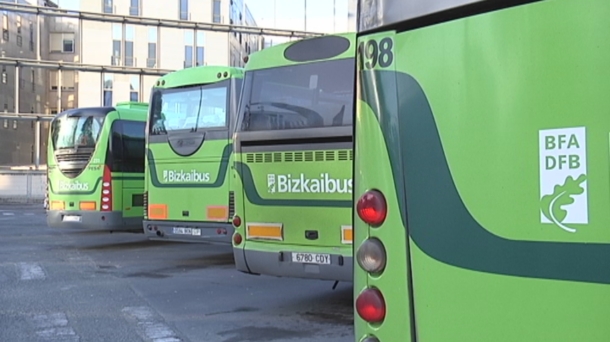
Autobuses de Bizkaibus, en una imagen de archivo. Foto: EITB Media
Bizkaibus contará con una central de vigilancia y estudiará instalar mamparas para mejorar la seguridad
AGENCIAS | EITB MEDIA
La diputada ha explicado que la seguridad en Bizkaibus aumentará después del acuerdo al que han llegado la Diputación y el Departamento de Seguridad del Gobierno Vasco para intensificar la vigilancia de los trayectos "más conflictivos".
Política
Administración local
-
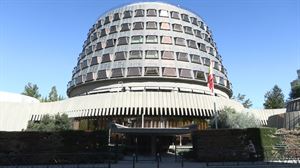
Exterior del Tribunal Constitucional. Foto de archivo: EFE.
El TC anula un precepto sobre los secretarios y otros funcionarios municipales pero no afectará a su situación
EITB MEDIA
El Pleno del Tribunal Constitucional ha estimado el recurso de inconstitucionalidad promovido por más de 50 diputados del Grupo Parlamentario Popular en el Congreso. El TC, así, establece que en presupuestos solamente se pueden negociar los gastos y hace una correción técnica, que no tendrá efectos.
-

El TJUE falla que el plazo para reclamar gastos hipotecarios empieza cuando se anula la cláusula abusiva
-

Repsol recorta su beneficio un 13 % a marzo, hasta 969 millones, pero dispara sus inversiones
-
Kutxabank gana 120 millones en el primer trimestre de 2024
-

La huelga de controladores en Francia afecta a los aeropuertos de Euskal Herria con cancelaciones y desvíos
-
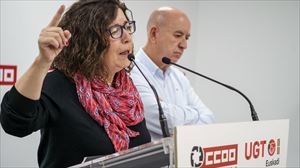
CC.OO. y UGT de Euskadi pedirán "menos jornada y mejores salarios" el Primero de Mayo
noticias
- Francia
Las aspas del mítico cabaret Moulin Rouge de París se desploman de madrugada
El emblemático cabaret Moulin Rouge de París ha perdido esta madrugada las aspas del molino que corona su fachada principal, fruto de un aparente accidente que se ha saldado sin víctimas. La sala quiere seguir ofreciendo sus espectáculos diarios a pesar del accidente.
Política
TERRORISMO
-
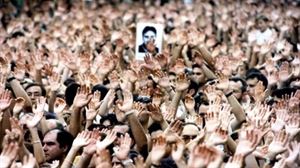
Una manifestación por Miguel Ángel Blanco en 1997.
La Audiencia Nacional procesa a cuatro exjefes de ETA por el secuestro y asesinato de Miguel Ángel Blanco
EITB MEDIA
El juez considera que podían haber impedido el crimen y no lo hicieron, lo que evidencia “una voluntad inequívoca en al producción del resultado” y les impone una fianza solidaria de dos millones de euros.
Política
Memoria
-
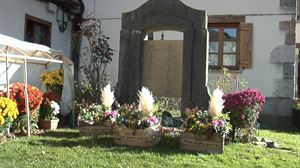
Monolito en homenaje a Mikel Zabalza en Orbaizeta (Navarra). Imagen: EITB
Navarra relizará "próximamente" un acto de reconocimiento a víctimas de violencia policial o extrema derecha
EITB Media
Después de que la semana pasada el Gobierno Foral anunciara el reconocimiento a las 12 primeras víctimas de esta violencia, el Ejecutivo navarro ha señalado que el acto público será "un paso más en el proceso de reparación y reconocimiento”.
 0:35
0:35

Portugal
NAIARA BALLESTEROS | EITB MEDIA
Este jueves, 25 de abril de 2024, será el epicentro de las celebraciones del medio siglo de democracia en Portugal, donde se espera que millones de personas salgan a las calles de todo el país para festejar los logros de los 'capitanes'.
Internacional
Estados Unidos
-

La audiencia transcurre en paralelo a una nueva jornada del juicio contra Trump en Nueva York. EFE
El Supremo de EE. UU. se muestra "escéptico" a la inmunidad de Trump, pero podría alargar el proceso
Agencias | EITB Media
La mayoría de jueces se han mostrado "escépticos" a la petición de inmunidad de Trump, pero también ha habido magistrados conservadores críticos con el manejo del caso por parte de la Fiscalía.
Política
Junta Electoral Central
-
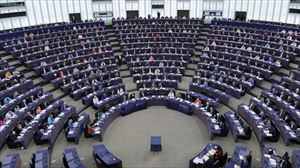
Sesión de la Eurocámara en Estrasburgo, esta semana. Foto: EFE
Amplían el plazo para el voto por correo en las elecciones europeas hasta el 6 de junio
Agencias | EITB Media
Además, la JEC ha recordado que los resultados de esos comicios, al ser transnacionales, no se podrán dar a conocer antes de las 23:00 horas del 9 de junio, que es cuando finalizan las votaciones en Italia.
Sociedad
Infancia y adolescencia
-

El servicio telefónico de atención a la infancia y la adolescencia, Zeuk Esan, (116111). Irekia
El servicio de atención a menores, 'Zeuk Esan', funcionara las 24 horas del día a partir del 2 de mayo
EiTB Media
En 2023 Zeuk Esan atendió un total de 1625 consultas, realizadas a través de 1248 personas.
Sociedad
fútbol
-

Sede de la RFEF. Foto: EFE
El Gobierno español interviene la RFEF
Agencias | EiTB Media
El Consejo Superior de Deportes (CSD) ha confirmado su decisión de crear una Comisión de Supervisión, Normalización y Representación para tutelar durante los próximos meses el funcionamiento de la RFEF.
GRUPO EITB
De la mano de EITB
Este viernes se presenta MAKUSI, primera plataforma digital en euskera para el público infantil y juvenil
EITB Media
2:35
Habrá una gran fiesta infantil en el Kursaal de Donostia, que se emitirá, a las 21:00 horas, en ETB1 y eitb.eus. MAKUSI cuenta cuenta con más 100 títulos de dibujos animados y series, 5800 capítulos, 120 películas… más de 1700 horas, al alcance de todos y todas, de forma gratuita.
Deportes
Literatura
Entrevista
-

La escritora Jasone Osoro, autora de "Arrakasta"
Jasone Osoro: "El éxito es polisémico, maleable y alcanzable"
Natxo Velez | EITB Media
La escritora elgoibartarra publica el ensayo "Arrakasta", un conjunto de reflexiones en torno al éxito, su asimilación, sus causas y sus consecuencias.
Música
Festival
-

Cartel de Miramar Gauak
La Oreja de Van Gogh, Iván Ferreiro, Andrés Calamaro, Maren y Olatz Salvador, en el festival Miramar Gauak
B. F. - N. V. | EITB Media
El festival Caixabank Miramar Gauak se celebrará entre los días 19 y 21 de junio en el palacio Miramar de San Sebastián.
Música
21 de diciembre
-

Fermin Muguruza. Foto: Stephanie Cousin.
Agotadas en un minuto las 8000 entradas para el segundo concierto de Fermin Muguruza en Bilbao
N. V. | EITB Media
Después de vender en pocas horas todos los tiques para la primera fecha anunciada por el músico irundarra, las entradas para la segunda cita se han acabado en un minuto.
Distrito Euskadi
Entrevista

La escritora gasteiztarra Karmele Jaio vuelve de Barcelona tras participar en la firma de libros de Sant Jordi con su última novela, “Maitasun kapitala”.
































© EITB - 2024 - Portal de Privacidad - Aviso Legal - Política de cookies - Configuración cookies - Transparencia - Contacto - Mapa Web
